Keeping a family vehicle or commuter sedan running reliably takes steady attention and sensible maintenance habits. Today modern vehicles function as intricate systems where mechanical hardware, high pressure fluid lines, and electronic microprocessors interact continuously. Drivers often overlook the initial quiet signs of mechanical fatigue, like a subtle vibration beneath the floorboards under light acceleration or a brief hesitation when the transmission shifts gears. Overlooking these minor indicators can allow manageable mechanical wear to develop into major expenses that take a vehicle off the road. Regular motor oil changes, clean intake filters, and timely spark plug replacements help protect the internal health of the engine block.
When unfamiliar noises, fluid leaks, or dashboard warning lights emerge, scheduling professional car repair provides a precise diagnosis through specialized electronic scan tools. Trained mechanics can evaluate fuel delivery pressure, inspect ignition coils, test alternator outputs, and replace worn suspension bushings before deeper structural problems develop. Treating vehicle maintenance as an ongoing responsibility rather than a stressful reaction to an unexpected breakdown preserves highway efficiency and engine performance. Taking sensible preventative steps gives vehicle owners consistent peace of mind behind the wheel every day. Consistent scheduling keeps cars dependable for years.
Managing Roadside Hazards and Vehicle Recovery
Even the most cautious motorists who observe every recommended service interval can face an unexpected roadside failure. A sudden alternator shutdown on an interstate bridge, a snapped drive belt during evening rush hour, or a completely shredded sidewall in heavy rain can leave any driver stranded on an exposed road shoulder. During these stressful moments, personal safety remains the primary concern. Drivers need to steer the vehicle as far onto the right shoulder as practical, switch on the emergency hazard flashers, and stay secured inside the passenger cabin whenever passing traffic moves at highway speeds.
Reaching out promptly to established towing services ensures that qualified recovery operators dispatch the right equipment directly to the scene. Modern flatbed haulers are especially important for all-wheel-drive crossovers, sports cars, and luxury sedans with delicate electronic transfer cases, because they eliminate transmission drag during transport. Professional operators know how to utilize proper winching straps on designated frame loops without damaging front bumper splitters, exhaust tips, or delicate lower suspension links. Relying on licensed roadside specialists eliminates unnecessary physical hazards and guarantees that the disabled car arrives safely at a chosen service facility for thorough mechanical evaluation. Proper assistance turns a breakdown into a calm recovery.
Traction, Wheel Dynamics, and Seasonal Tire Wear
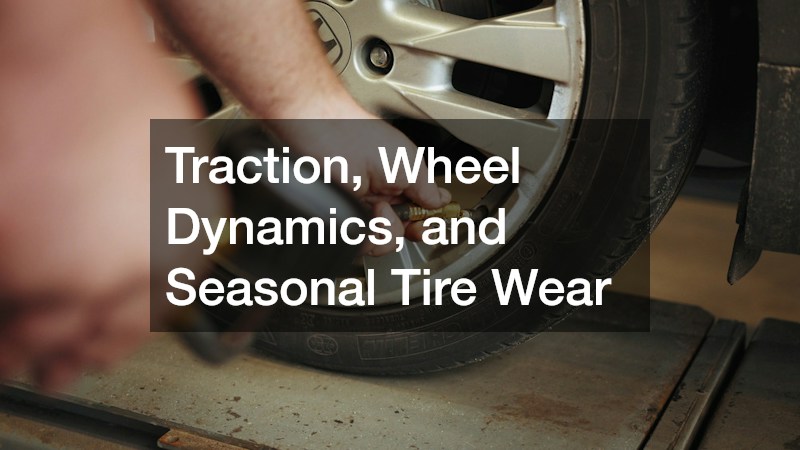
Tires represent the sole physical contact between thousands of pounds of moving steel and the asphalt below. Even advanced braking systems cannot compensate for worn rubber that has lost its gripping sipes. Every day commuting wears down tread patterns slowly, reducing wet weather traction and significantly increasing stopping distances during sudden highway stops. Drivers often fail to notice how rain grooves degrade until their vehicle hydroplanes across standing puddles on a stormy afternoon. Regularly checking tire pressures, balancing wheels, and rotating rubber every five thousand miles prevents uneven shoulder baldness and extends tread longevity.
When tread depth drops down to two thirty-seconds of an inch, seeking out reputable tire sales allows vehicle owners to select replacement sets tailored to their regional climate and driving requirements. Skilled tire specialists help motorists choose between fuel efficient touring compounds, rugged all-terrain treads, and dedicated winter rubber formulated with flexible cold weather silica. Professional tire mounting also includes fresh valve stems, dynamic electronic wheel balancing, and thorough inspection of rim bead surfaces for corrosion leaks. Selecting high quality replacement rubber ensures confident cornering, shorter emergency stopping distances, and a quiet, cushioned ride on rough roadways. Making smart wheel choices safeguards everyone inside the vehicle throughout changing seasonal conditions.
Maintaining Visual Clarity and Window Structural Safety
Clear visibility remains essential for safe defensive driving, yet vehicle windows constantly endure pebble strikes, airborne grit, and dramatic temperature swings. A stray rock tossed up by a gravel truck on a high-speed bypass can leave a small bullseye chip or starburst right in the driver line of sight. While drivers often treat tiny surface chips as purely cosmetic flaws, ignoring glass fractures invites trouble. Morning defrosters and summer heat cause laminated glass to expand and contract unevenly, quickly spreading a tiny mark across the view.
Beyond providing an unobstructed view of surrounding lanes, modern auto glass forms a vital component of a vehicle structural safety cage. In front-end collisions and rollover accidents, the windshield provides up to thirty percent of cabin structural rigidity, preventing the roof from collapsing inward under severe impact. Automotive glass also supplies the necessary rigid backing plate that allows passenger-side airbags to deploy outward correctly. Professional glass technicians can inject clear optical resin into fresh, minor chips before contamination enters the laminated interlayer, restoring both transparency and structural strength. Prompt glass maintenance ensures that vehicle occupants remain protected against roadway hazards without needing extensive glass disassembly.
Knowing When Cracks Demand Complete Window Replacement
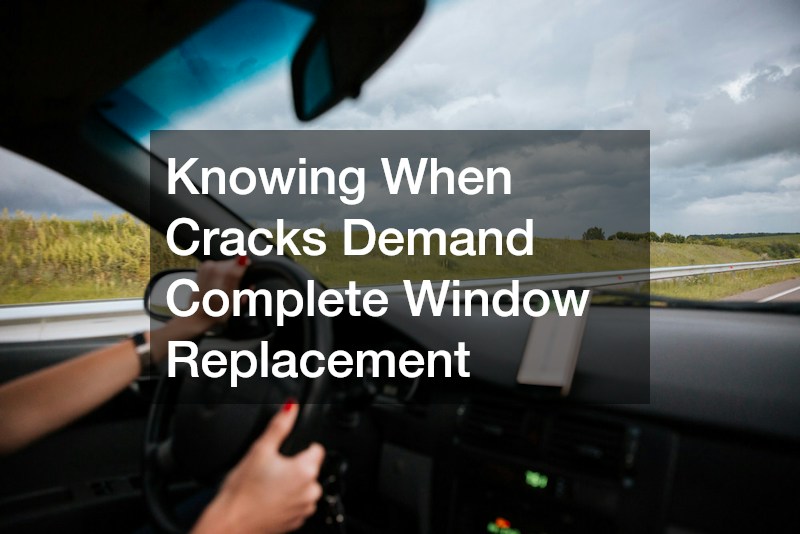
While simple resin injections can save a windshield suffering from minor pitting, severe damage eventually demands complete glass removal. When a crack stretches longer than the width of a standard credit card, touches the outer perimeter frame, or sits directly inside the forward sightline, standard repair attempts prove inadequate. At this advanced stage, performing a complete windshield replacement is necessary to guarantee cabin integrity and personal safety. Installing a brand new automotive pane requires stripping away deteriorated urethane bonding beads, treating pinchwelds with corrosion primers, and laying down fresh automotive polyurethane adhesive using precise pneumatic caulking guns.
Modern vehicles add another critical layer of complexity to this process through advanced driver assistance systems. Front-facing cameras mounted behind the upper glass monitor lane markings, adjust cruise distances, and trigger emergency braking. After a new glass unit is installed, certified installers carry out precise static and dynamic sensor recalibrations using laser targets and diagnostic software. Skipping camera recalibration after glass renewal can lead to false collision warnings or delayed emergency stops. Completing a professional installation with factory grade adhesives and sensor realignment ensures that electronic driver aids function with flawless precision on every highway journey.
Erasing Dents and Blemishes Without Fresh Paint
Every vehicle inevitably collects small body battle scars during daily driving. Crowded parking lots, runaway carts, and seasonal hail storms frequently leave indentations across door skins, fenders, and hood panels. Historically, smoothing out even a shallow door ding required body technicians to grind away factory clear coat, apply heavy polyester body filler, sand the panel smooth, and repaint the entire exterior section. This traditional approach consumed several days and carried the risk of visible paint mismatches or peeling over time.
Fortunately, modern metalworking technology offers an elegant alternative known as paintless dent repair. Through this specialized craftsmanship, skilled technicians access the reverse side of damaged sheet metal using custom curved metal rods, levers, and LED reflection lighting boards. By applying patient, microscopic pressure across the underside of the stretched panel, the technician gently works the distorted metal back into its original factory shape without harming the elastic clear coat above. For areas where backside brace access is blocked, technicians use specialized glue pulling tabs and slide hammers from the outside. Because this non-invasive method completely avoids sanding, body putty, and aftermarket paint blending, the vehicle keeps its original factory paint warranty, resists corrosion, and maintains maximum resale value.
Restoring Structural Framework and Alignment After Crashes
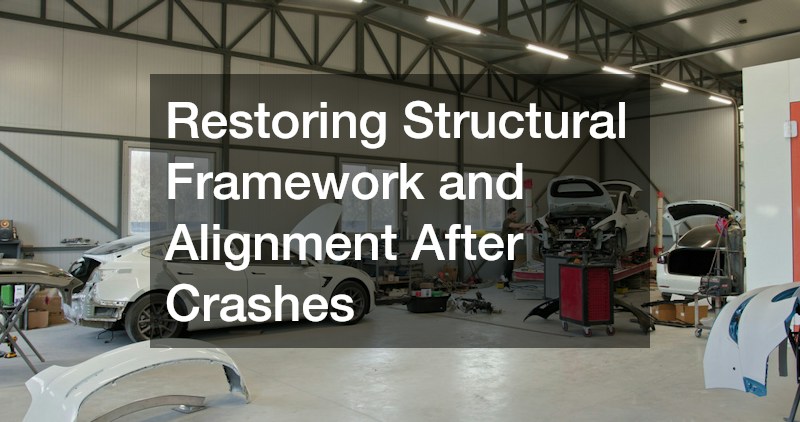
Motor vehicle collisions generate intense mechanical shockwaves that travel deep into a car chassis framework. While exterior plastic bumper covers often spring back into shape after an impact, underlying steel subframes, bumper reinforcement bars, and aluminum aprons frequently suffer severe structural twisting. When a vehicle undergoes heavy impact, steering geometry shifts, panel gaps widen, and passenger crumple zones become compromised. Driving a vehicle with uncorrected frame distortion causes premature suspension failure, rapid tire wear, and unpredictable handling during abrupt evasive maneuvers.
Entrusting collision damage to a certified auto body shop ensures that structural repairs follow strict factory engineering specifications. Certified technicians mount the damaged chassis onto three-dimensional computerized frame measuring benches that use laser scanning to detect microscopic millimeter deviations from original factory blueprints. Powerful hydraulic pulling towers gently pull structural unibody rails back to precise dimensional tolerance points. Qualified repair facilities also evaluate high-strength steel safety cages, replace single-use bumper foam absorbers, and install genuine factory replacement body panels. Navigating collision recovery with an experienced structural repair facility guarantees that all mechanical suspension mounts, active door latches, and occupant safety cages perform correctly during any future crash event. Proper alignment ensures crumple zones react precisely as factory engineers designed.
Precision Color Matching and Multi-Stage Surface Resurfacing
Automotive paint does far more than make a car look attractive on the showroom floor; it serves as a hardened barrier protecting bare metal panels against moisture, road salt, and rust. Over years of outdoor parking, harsh ultraviolet sunlight oxidizes clear coats, while highway gravel chips away protective primer layers. When vehicles suffer collision repairs or deep scratches that cut through to bare steel, standard touch-up pens leave noticeable ridges and patchy blotches. Restoring a seamless, mirror-like exterior finish requires thorough surface preparation and specialized refinishing technology.
Modern refinishing specialists rely on computerized spectrophotometer cameras to read the exact color formulation of adjacent panels, accounting for years of natural sunlight fading. Applying flawless coats requires climate-controlled downdraft spray booths where pressurized, heated air removes airborne dust particles. Through advanced auto painting, refinish technicians spray multi-stage coatings, starting with corrosion-inhibiting epoxy primers, followed by high-solid base coat pigments, and finishing with durable, high-gloss clear coats. After curing under infrared heat lamps, the newly painted panels undergo precision wet sanding and machine polishing to eliminate orange peel texture. Professional refinishing blends fresh paint seamlessly across neighboring doors and fenders, preserving vehicle aesthetics and maintaining strong barrier protection against weather damage.
Managing Sun Glare and Cabin Thermal Comfort

Spending hours commuting under intense summer sun quickly turns vehicle cabins into uncomfortable heat traps. Unfiltered solar radiation streams through untinted side and rear glass, elevating cabin temperatures, forcing air conditioning compressors to work at maximum capacity, and bleaching leather upholstery. Long-term exposure to direct sunlight also dries out dashboard plastics, leading to unsightly hairline dashboard cracks and faded interior trim. Blinding daytime sun glare also strains a driver eyes during morning and afternoon commutes, reducing reaction times when traffic patterns change abruptly.
Booking a professional auto tinting service provides an effective defense against interior solar heat and harmful ultraviolet light. High-performance nano-ceramic window films block up to ninety-nine percent of damaging ultraviolet rays while rejecting substantial amounts of infrared solar heat without relying on dark, bubbling dye layers. These advanced non-metallic ceramic films do not interfere with cell phone signals, GPS navigation antennas, or radio reception. Expert window tinters custom cut film patterns using precision computer plotters, ensuring exact fitment against curved window edges without hand-cutting against fragile defroster grid wires. In addition to keeping vehicle interiors noticeably cooler on sweltering summer afternoons, quality window film holds shattered glass shards safely together in the event of an accidental window strike.
Exterior Customization and Protective Vinyl Films
Car owners seeking to refresh their vehicle aesthetic or commercial fleets aiming to display branded graphics frequently look beyond conventional paint sprays. Traditional repainting permanently covers factory clear coats, involves messy panel disassembly, and can lower the market resale value of an original automobile. By contrast, modern cast vinyl wrapping materials allow vehicle owners to personalize exterior colors and finishes without permanently modifying the underlying factory paint. Whether choosing a stealthy satin black, an eye-catching gloss metallic, or an intricate commercial business design, vinyl transformations offer extraordinary flexibility.
Applying a high-grade vehicle wrap involves meticulous panel cleaning, clay bar decontamination, and careful removal of door handles and trim pieces. Certified wrap installers stretch durable cast vinyl over complex curves, using soft squeegees, heat guns, and knifeless tape to tuck film edges securely around panel corners. Beyond personalizing vehicle appearance, heavy-duty vinyl serves as a resilient protective skin that defends original paint against bug splatter, light road gravel, minor scuffs, and everyday sun exposure. When owners eventually decide to sell the automobile or return a leased vehicle, technicians can peel the vinyl away cleanly using controlled heat. Removing the film reveals well-preserved, scratch-free factory paint beneath, protecting long-term automotive investment value.