Purchasing a pre-owned truck offers exceptional value for drivers who need practical utility without paying modern showroom prices. Whether someone seeks a dependable workhorse for heavy job sites, a rugged vehicle for weekend camping trips, or a comfortable daily driver, the second-hand market provides endless possibilities. However, buying a used pickup carries distinct financial risks that average car buyers rarely encounter. Trucks endure tough working conditions throughout their operational lifetimes compared to typical commuter sedans. Previous owners may have pushed these vehicles to their limits by dragging heavy equipment across long distances, traversing unpaved rural tracks, or hauling construction supplies near maximum payload capacities.
When a vehicle has spent years handling rigorous tasks like heavy towing, subtle wear and tear can hide deep within the frame, transmission, and rear axle assemblies. A shiny exterior or detailed interior easily disguises mechanical fatigue underneath the sheet metal. For this reason, savvy buyers look past polished chrome and fresh tires. Approaching the buying process with a structured evaluation plan protects buyers from inheriting hidden problems that drain savings later. A clear blueprint divides the buying journey into two vital phases: evaluating the truck before exchanging funds and executing essential maintenance right after taking ownership.
Initial Walkaround and Structural Framework Inspection
Every thorough truck evaluation begins on flat, level ground with plenty of daylight. Buyers should systematically inspect the vehicle from top to bottom before touching the ignition key. The frame serves as the foundation of any truck, making structural integrity the highest priority during the walkaround. Crawling underneath with a flashlight allows buyers to check chassis rails for heavy rust, cracks, or questionable weld patches. Surface rust on older steel frames is common, but deep corrosion that flakes off in chunks or weakens structural crossmembers should trigger immediate concern. Irregular gaps between the cab and bed often signal frame twist or improperly repaired collision damage.
Moving above the frame, visual checks focus on body panels, glass, and bed conditions. Looking down the length of body panels helps reveal hidden dents or uneven paint textures that suggest prior repairs. Inspecting glass is equally critical because subtle stress cracks spread quickly across a wide cab frame. A chipped or cracked windshield obscures vision and compromises structural strength during a rollover incident. Pay close attention to seal integrity around window borders to avoid moisture leaks inside the cab. Additionally, lifting plastic bed liners reveals hidden rust spots where trapped water sits against raw metal.
Mechanical Health Check Under the Hood
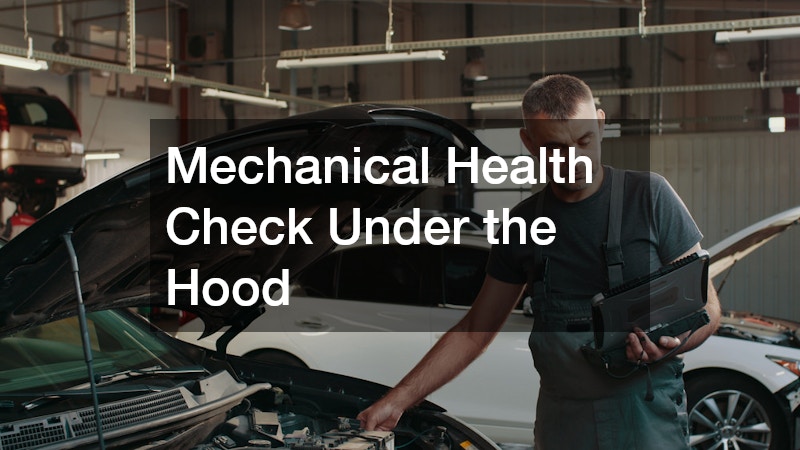
Popping the hood reveals the true mechanical condition of a pre-owned truck. Engine bays often tell stories that sellers forget to share. Buyers should start by pulling the oil dipstick and checking fluid quality. Clean oil appears dark brown or amber, whereas milky oil suggests coolant contamination caused by a blown head gasket. Next, check the automatic transmission fluid if a dipstick exists. Bright red fluid is healthy, but dark black fluid with a burnt smell indicates severe clutch wear or heat degradation. Inspecting engine coolant reservoirs, brake fluid levels, and power steering fluid provides additional clues regarding past maintenance habits.
Beyond fluid condition, mechanical inspection involves checking belts, hoses, and wiring harnesses for age or neglect. Cracking belts, swollen hoses, and battery terminal corrosion indicate overdue maintenance. Look closely around valve covers, oil pans, and timing covers for active liquid leaks or caked grime. Excessive grime usually points toward long-standing oil leaks that require extensive labor to fix. While minor leaks are manageable, major oil loss can lead to costly engine repair bills if allowed to starve internal bearings of lubrication. Listening for unusual engine ticks during a cold start helps buyers identify hidden valvetrain or accessory issues early.
Road Testing for Suspension, Steering, and Drivability
A static inspection reveals visual flaws, but a thorough test drive shows how the truck performs under real-world operating conditions. Before setting off, test every cabin switch, climate setting, power window, and dashboard indicator. Once on the road, pay close attention to engine responsiveness, transmission shift points, and steering wheel behavior. Acceleration should feel smooth without hesitation or unexpected engine surging. Transmission shifts ought to be crisp and timely; harsh clunks or slipping between gear changes indicate potential torque converter wear. Drive over varied pavement types to test shock absorbers, leaf springs, and ball joints for clunks, squeaks, or excessive body roll.
Steering performance provides valuable insight into the health of front suspension components and wheel geometry. The steering wheel should feel tight and responsive, staying centered while traveling down a straight highway. If the truck drifts toward the shoulder or requires constant steering corrections on flat asphalt, poor auto alignment or worn tie rods could be causing uneven tire wear. Test the four-wheel-drive system on suitable surfaces to ensure smooth engagement of high and low ranges without grinding noises or binding axles. Additionally, perform moderate stops in a safe area to check for pedal pulsation or pulling to one side.
Professional Pre-Purchase Inspections and Paperwork Verification

Even experienced truck buyers benefit from an objective second opinion before handing over hard-earned money. Scheduling a pre-purchase evaluation at an independent shop gives buyers access to professional diagnostic equipment and vehicle lifts. A qualified mechanic can hoist the truck to examine hard-to-see areas like differential seals, transfer case housings, exhaust systems, and brake lines. Professional technicians can also run full computer scans to uncover cleared fault codes or hidden electronic glitches. Investing a modest amount of money in a professional inspection provides tremendous peace of mind and valuable leverage during price negotiations with the seller.
While mechanical checks are essential, paperwork verification is equally critical to a safe transaction. Buyers must examine the vehicle history report to confirm ownership records, accident history, and title status. Look for clear titles free from salvage, rebuilt, or flood damage designations that severely compromise resale value and safety. Verify that the Vehicle Identification Number on the dashboard matches the door jamb sticker and title paperwork exactly. Reviewing detailed service records helps verify if regular oil changes occurred on time. If past records show major gaps or frequent visits to an auto repair shop for persistent electrical or powertrain problems, buyers should proceed with caution.
Immediate Post-Purchase Fluid and Mechanical Refresh
Once negotiations conclude and ownership transfers, phase two of the blueprint begins: the post-purchase refresh. No matter what previous owners claim about recent servicing, starting fresh establishes a known baseline for future maintenance schedules. The very first step after driving a newly purchased truck home should involve replacing all major fluids and filters. Fresh engine oil, transmission fluid, transfer case fluid, and differential lubricants eliminate unknown contaminants and ensure optimal protection under heavy loads. Replacing engine air filters, cabin air filters, and fuel filters improves fuel efficiency while preventing dirt from harming delicate internal engine components over time.
Alongside fluid flushes, inspecting and servicing safety-critical chassis components should top the post-buy agenda. Stopping power is essential for heavy pickups, especially when carrying payloads or pulling trailers. Inspecting brake rotors, calipers, hydraulic lines, and friction pads ensures a predictable stopping distance. Worn brakes must be replaced promptly with heavy-duty ceramic or semi-metallic friction materials designed for truck applications. Checking rubber brake hoses for cracking or swelling prevents unexpected pressure loss during emergency stops. Addressing these fundamental mechanical tasks right after purchase builds total reliability and prevents minor wear items from escalating into expensive component failures down the road.
Sourcing Quality Components for Immediate Upgrades

After securing basic mechanical reliability, truck owners often turn their attention toward replacing worn factory components or upgrading stock systems. Over years of hard service, factory hardware like headlights, side mirrors, door handles, tailgate latches, and suspension bushings inevitably degrade. Replacing these aged components restores full functionality while improving the overall driving experience and cab comfort. When selecting replacements, buyers must choose between Original Equipment Manufacturer components and quality aftermarket alternatives. OEM components guarantee perfect fitment and factory-grade performance, whereas heavy-duty aftermarket options often offer enhanced durability and specialized features tailored for demanding off-road driving or heavy hauling applications.
Finding reliable sources for replacement components is essential for keeping ownership costs manageable. Sourcing high-quality truck parts from reputable vendors ensures long-lasting durability and proper vehicle operation. Whether replacing worn shocks with heavy-duty gas-charged units or upgrading stock exhaust manifolds to stainless steel versions, component quality directly impacts vehicle performance. Buyers should research brand reputations, customer reviews, and warranty coverage before purchasing replacement items online or from local supply houses. Investing in premium components during the post-buy phase ensures that the truck remains capable, comfortable, and dependable across thousands of future miles.
Exterior Restoration and Bodywork Refinements
A well-maintained truck should look as good as it operates. Over time, highway gravel, tree branches, UV exposure, and road salt take a heavy toll on truck exteriors. Restoring bodywork not only boosts pride of ownership but also protects underlying steel from corrosion. Minor imperfections like light surface scratches, dull clear coats, and water spots can often be corrected at home using compound polishes and high-grade wax. However, more serious damage like severe trail rash, peeling clear coats, or deeply rusted cab corners demands professional cosmetic attention to prevent moisture from eating away structural sheet metal over time.
For significant cosmetic damage or complete color overhauls, partnering with experienced car paint shops provides professional finishes that withstand harsh environmental elements. Professional technicians possess specialized equipment to properly sand, prime, seal, and paint truck bodies using durable polyurethane or ceramic-infused coatings. They can also apply protective clear coats that resist UV fading and chemical staining from road grime. Addressing minor paint chips and deep body scratches promptly prevents rust from establishing a permanent foothold on vulnerable body panels. A fresh coat of high-quality paint combined with thorough underbody rust-proofing preserves structural integrity while dramatically boosting overall resale value.
Protecting the Cargo Bed and Enhancing Utility
The bed of a pickup truck represents its most versatile feature, but bare painted metal quickly suffers damage under heavy use. Scratches from gravel, tools, and lumber strip away protective coatings, leaving exposed steel vulnerable to rapid rusting. Installing durable bed protection is one of the smartest post-purchase investments any truck owner can make. Spray-in polyurethane bed liners offer superior impact resistance and seamless coverage that prevents water from trapping underneath. Drop-in plastic liners provide affordable protection against heavy blows, though owners must periodically clean underneath to prevent dirt accumulation from scratching body paint.
Beyond protecting the bed floor, securing the cargo area against weather exposure and theft maximizes practical utility. Installing functional tonneau covers keeps tools, luggage, and camping gear completely dry and secure from prying eyes. Modern covers come in various styles, including soft roll-ups, hard folding panels, and retractable aluminum designs. Hard folding covers provide excellent structural security while allowing quick full-bed access for hauling oversized items. Additionally, adding sleek bed covers improves aerodynamic efficiency by smoothing airflow over the open bed, which can yield modest improvements in highway fuel economy during long road trips.
Interior Customization and Long-Term Value Protection
Completing the post-purchase transformation involves tailoring the truck interior to suit daily comfort and functional demands. Cab interiors endure heavy foot traffic, spilled beverages, and continuous sun exposure. Installing custom-fit all-weather floor mats protects the underlying carpeting from mud, snow, and chemical spills. Upgrading worn seat covers with heavy-duty neoprene or leatherette materials restores cabin aesthetics while adding extra cushioning and back support for long highway drives. Furthermore, replacing outdated factory stereo head units with modern touchscreens featuring smartphone connectivity, Bluetooth capability, and integrated navigation brings modern convenience to older truck models.
Adding functional exterior and interior upgrades further customizes the truck to match individual lifestyle requirements. Choosing a practical auto accessory like heavy-duty side steps makes entering elevated cabs safer and easier for family members. Functional additions like LED light bars, upgraded towing mirrors, digital dash cams, and under-seat storage organizers enhance overall daily utility without compromising clean interior aesthetics. By combining systematic pre-purchase evaluations with disciplined post-buy restoration, buyers transform pre-owned trucks into reliable, highly functional vehicles built to serve faithfully for many years to come.