The Ultimate Guide to Sports Car Towing in Wichita: What You Need to Know
Highlights:
- Flatbed towing is essential for sports cars due to their low ground clearance—keeping all wheels off the ground prevents damage to the undercarriage, tires, and transmission.
- Common towing mistakes, like using hook-and-chain methods or improperly securing the vehicle, can cause serious damage to bumpers, drivetrains, or suspension.
- Prepare your sports car before towing by removing loose items, documenting its condition with photos, setting it in neutral, and releasing the parking brake.
- Ask the right questions when choosing a towing service—including experience with sports cars, insurance coverage, equipment suitability, and clear pricing.
- Local expertise matters in Wichita, where knowledge of traffic patterns, weather-affected routes, and relationships with nearby repair shops improves service quality.
- For emergencies, choose towing companies with true 24/7 availability, quick response times, GPS tracking, and a focus on customer safety during roadside incidents.

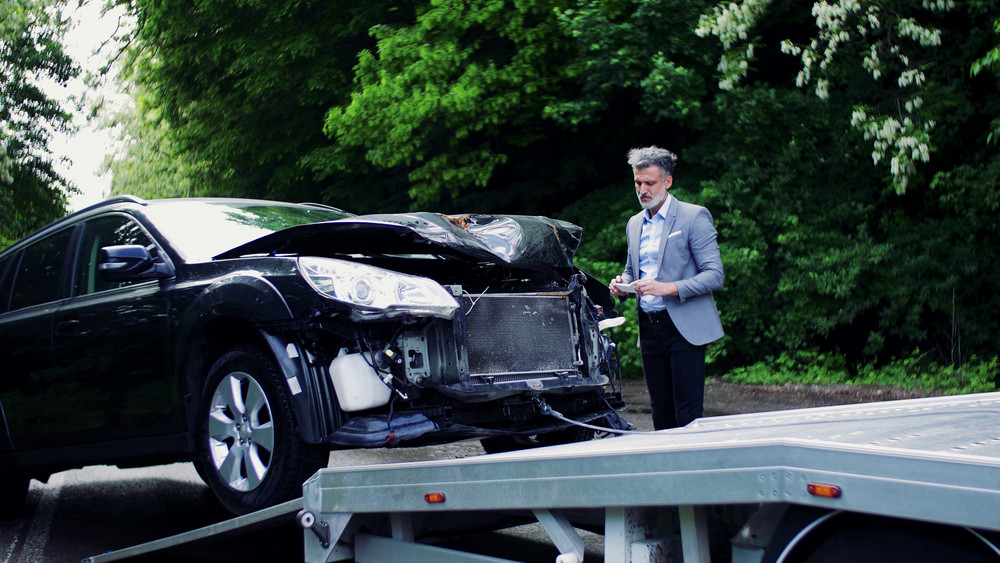
When your sports car needs a tow in Wichita, the last thing you want is a rough ride or damage during transport. Flatbed towing services offer the safest way to move your prized vehicle without risking scratches or mechanical issues. If you’re searching for reliable sports car towing Wichita providers, understanding what sets the best apart can save you time and stress. This guide breaks down everything you need to know about finding the right team for sports car transportation and emergency towing Wichita demands. For more information on 24-hour emergency roadside assistance in Wichita, visit [https://www.wichitatowtruck.com/24-hr-emergency-roadside-assistance-wichita-kansas.html].
Understanding Sports Car Towing
Sports cars demand special care when it comes to towing. Their low ground clearance and unique designs make traditional tow trucks a risky option. Let’s explore why flatbed towing is the gold standard for sports car transportation.
Why Use Flatbed Towing?
Flatbed towing keeps all four wheels off the ground. This method prevents wear on your tires and transmission during transport. For sports cars with low clearance, a flatbed eliminates the risk of scraping the undercarriage or front bumper.
The loading process is gentler, too. Your car gets winched onto a flat surface, not dragged behind a truck. This reduces stress on the suspension and frame.
Flatbeds also secure your vehicle better. Straps hold your car in place from multiple points, limiting movement during transit. This extra stability is crucial for protecting your sports car’s delicate components.
Common Towing Mistakes
Picking the wrong towing method can spell disaster for your sports car. Using a traditional hook and chain on a low-clearance vehicle often leads to bumper damage. Some towers make the mistake of using dollies on all-wheel drive cars, which can wreck the drivetrain.
Another frequent error is improper securing. Loose straps let the car shift during transport, risking dents and scratches. Some towers rush the loading process, not taking time to adjust the flatbed’s angle for smooth entry.
Forgetting to put the car in neutral or release the parking brake is are simple but costly oversight. These mistakes can lead to transmission damage or flat spots on tires.
Source: AAA
Preparing Your Car for Towing
Before the tow truck arrives, take a few steps to protect your sports car. First, remove any loose items from the interior. Objects left unsecured can become projectiles during transport.
Next, document your car’s condition. Take photos of all sides, including any existing damage. This gives you a record in case of disputes later.
If possible, fill your gas tank halfway. A full tank adds unnecessary weight, while an empty one might lead to fuel system issues. Lastly, make sure your car is in neutral with the parking brake off. This allows for smooth loading onto the flatbed.
Finding the Right Towing Service
Not all towing companies are equipped to handle sports cars. Knowing what questions to ask can help you find a service that will treat your vehicle with the care it deserves.
Questions to Ask a Towing Company
Start by asking about their experience with sports cars. How often do they tow high-end vehicles? Do they have specialized equipment for low-clearance cars?
Inquire about their insurance coverage. A reputable company will have comprehensive insurance to protect your car during transport. Ask for details on their policy limits and what’s covered.
Find out about their response times, especially for emergency situations. A good service should offer 24/7 availability with reasonable wait times.
Lastly, ask about their pricing structure. Are there extra fees for flatbed towing or after-hours service? Clear pricing upfront prevents surprises on your bill.
Evaluating Towing Service Providers
Look beyond the answers to your questions. Pay attention to how the company communicates. Are they patient with your concerns? Do they explain things clearly?
Check if they’re properly licensed and certified. In Kansas, tow truck operators need specific endorsements on their commercial driver’s license. You can verify this information with the Kansas Department of Revenue.
Consider their equipment. Modern, well-maintained trucks are a good sign of quality service. If possible, ask to see photos of their flatbed trucks.
Don’t forget to check their online presence. While you shouldn’t rely solely on reviews, a company’s website and social media can give you a sense of their professionalism and customer service approach.
Source: KBB
Sports Car Towing in Wichita
Wichita’s mix of urban and rural areas presents unique challenges for sports car towing. Local knowledge can make a big difference in the quality of service you receive.
Importance of Local Expertise
Wichita’s weather can change quickly, affecting road conditions. Local towers know which routes to avoid during heavy rain or after winter storms. This knowledge helps protect your car from unnecessary risks during transport.
Familiarity with local traffic patterns is another advantage. Experienced Wichita towers can navigate rush hour bottlenecks and construction zones efficiently. This means less time on the road for your valuable vehicle.
Local companies also tend to have better relationships with area repair shops. If you need your car towed for service, a well-connected tow can often get you priority treatment at trusted mechanics.
Emergency Towing Services in Wichita
When you need emergency towing in Wichita, speed and reliability are crucial. Look for companies that offer true 24/7 service, not just an answering machine after hours.
The best emergency services in Wichita have multiple trucks ready to go at all times. This ensures a quick response even during busy periods or major weather events.
Consider services that offer GPS tracking. Some Wichita towers let you follow your truck’s location in real-time through a smartphone app. This feature gives you peace of mind and accurate ETAs.
Remember, in true emergencies, safety comes first. If you’re stranded in a dangerous area, some Wichita towing services will prioritize getting you to safety before securing your vehicle.
In conclusion, selecting the right sports car towing service in Wichita isn’t just about convenience—it’s about protecting a valuable investment. Sports cars require specialized care, and not all towing companies are equipped to meet those demands. That’s why it’s essential to be thorough in your search and deliberate in your choice. Start by prioritizing towing services that exclusively use flatbed trucks, as this method provides the safest and most secure way to transport low-clearance vehicles without risking mechanical or cosmetic damage.
Just as important is the experience level of the towing provider. Look for companies that have a proven track record of handling high-end, performance-oriented vehicles. These professionals understand the nuances involved—such as proper loading techniques, optimal securing methods, and the importance of gentle handling throughout the process. Don’t hesitate to ask pointed questions: How frequently do they tow sports cars? What steps do they take to prevent damage? Can they provide references or examples of past jobs?