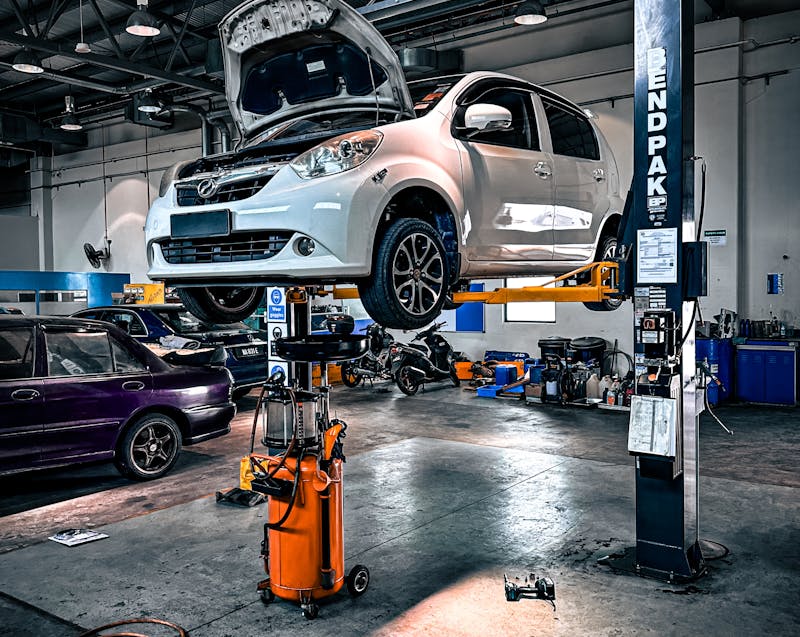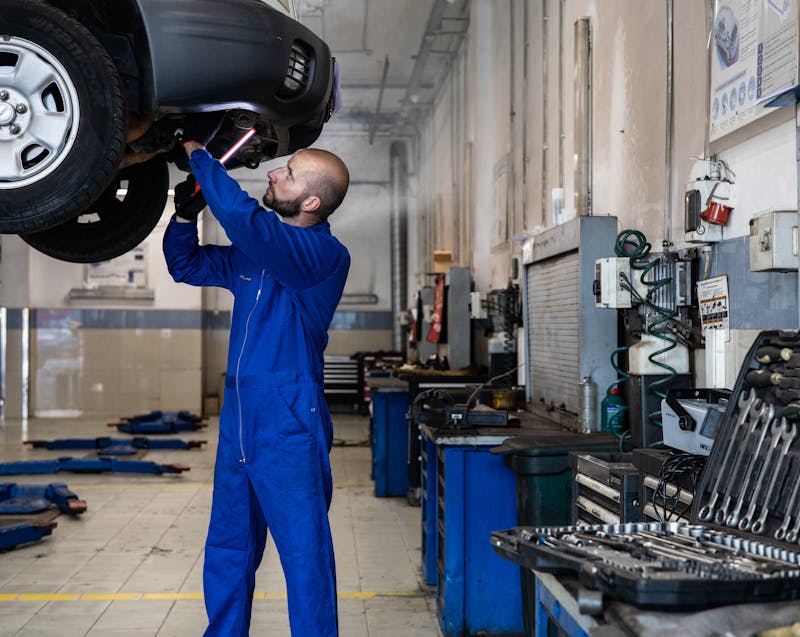
- Regular maintenance prevents costly repairs and extends your car’s lifespan by catching small issues early.
- Follow the manufacturer’s maintenance schedule for timely oil changes, tire rotations, and fluid checks.
- Know when to DIY and when to call a professional—simple tasks like replacing filters can be done at home, but complex repairs need experts.
- Tire care and fluid management are essential for safety, performance, and fuel efficiency.
- Seasonal maintenance keeps your car ready for temperature changes and long-distance travel.
- Recognize warning signs early, such as unusual noises, leaks, or dashboard alerts, to prevent major problems.
- Adopting preventive habits like gentle driving, quality parts, and regular cleaning helps your car stay reliable year after year.
Your car is one of your most valuable investments, and like any machine, it requires proper care to stay reliable and efficient. Many car owners overlook maintenance until a problem arises—often leading to expensive repairs and unnecessary stress. Regular vehicle repair and maintenance not only help your car perform at its best but also extend its lifespan, improve safety, and save you money in the long run.
This comprehensive guide walks you through the essential aspects of car maintenance—from basic DIY tasks to knowing when to call a professional. Whether you’re a new car owner or an experienced driver, these insights will help you keep your vehicle in top condition all year long.
Understanding the Importance of Regular Car Maintenance
Neglecting car maintenance might save you time today, but it will cost you more in the future. Regular vehicle checkups ensure that your car remains efficient, safe, and dependable. Small issues like worn-out tires or low oil levels can quickly escalate into serious mechanical failures if ignored.
Car maintenance isn’t just about repairs—it’s about prevention. Preventive care helps you identify potential problems before they become costly emergencies. Keeping up with scheduled maintenance also helps maintain your car’s resale value, as a well-maintained vehicle is more attractive to buyers.
Key Benefits of Routine Maintenance
- Improved Safety: Regular brake inspections, tire checks, and fluid top-ups help prevent accidents caused by mechanical failures.
- Enhanced Fuel Efficiency: A properly tuned engine and clean filters improve gas mileage.
- Extended Lifespan: Preventive maintenance reduces wear and tear on major components.
- Lower Repair Costs: Fixing small issues early prevents expensive breakdowns later.
- Consistent Performance: Regular servicing ensures smooth driving and optimal engine performance.
What Does a Preventive Maintenance Schedule Include?
Every car comes with a manufacturer-recommended maintenance schedule found in the owner’s manual. This schedule is designed to keep your car running efficiently and safely. Following it can help you stay ahead of potential issues and save money over time.
Routine Maintenance Checklist
Here’s a general overview of what most preventive maintenance schedules include:
| Maintenance Task | Recommended Frequency |
| Oil and Filter Change | Every 5,000 to 7,500 miles |
| Tire Rotation & Balancing | Every 6,000 to 8,000 miles |
| Brake Inspection | Every 10,000 miles or as needed |
| Air Filter Replacement | Every 12,000 to 15,000 miles |
| Fluid Checks (coolant, brake, power steering) | Every 3 months |
| Battery Inspection | Twice a year |
| Spark Plug Replacement | Every 30,000 to 100,000 miles (depends on type) |
| Transmission Fluid Change | Every 30,000 to 60,000 miles |
Following this schedule helps you stay proactive about repairs instead of reactive when something goes wrong.
How Often Should You Service Your Car?
Servicing your car at the right intervals is crucial to maintaining its performance. While the manufacturer’s manual offers specific recommendations, the ideal frequency also depends on your driving habits, environment, and vehicle age.
Factors That Influence Service Frequency
- Driving Conditions: Stop-and-go city driving is harder on your engine than highway cruising.
- Climate: Extreme heat or cold can affect fluids, batteries, and tires.
- Mileage: High-mileage vehicles need more frequent inspections.
- Usage: Cars used for towing or long commutes require more attention.
As a general rule, most vehicles should be serviced every 6 months or 5,000–7,500 miles, whichever comes first. However, if you notice unusual noises, warning lights, or performance issues, don’t wait for your next scheduled visit—get your car checked immediately.
Essential Fluids and Filters: The Lifeblood of Your Car
Fluids and filters play a vital role in keeping your car’s systems running efficiently. Without clean fluids and functioning filters, your vehicle’s performance, fuel efficiency, and safety can quickly deteriorate.
Fluids to Check Regularly
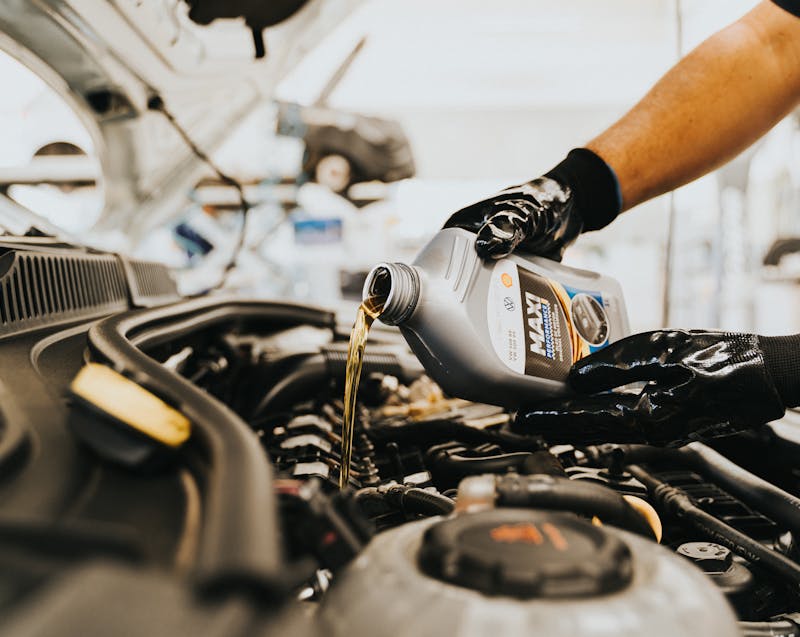
- Engine Oil: Lubricates moving parts, reduces friction, and prevents engine wear.
- Coolant: Regulates engine temperature and prevents overheating.
- Brake Fluid: Transmits pressure to your brakes for effective stopping power.
- Transmission Fluid: Keeps your gears shifting smoothly.
- Power Steering Fluid: Helps maintain easy steering control.
- Windshield Washer Fluid: Ensures clear visibility while driving.
Filter Maintenance
- Oil Filter: Replace with every oil change to prevent engine contamination.
- Air Filter: Keeps debris from entering the engine—replace every 12,000–15,000 miles.
- Cabin Air Filter: Improves air quality inside the car—change every 15,000–30,000 miles.
- Fuel Filter: Keeps dirt and debris out of your fuel system.
Regularly checking and changing fluids and filters keeps your car performing efficiently while preventing costly damage.
Tire Care: The Foundation of Vehicle Safety
Tires are the only part of your car that touches the road, so maintaining them is crucial for safety and performance. Proper tire maintenance improves fuel efficiency, enhances handling, and reduces the risk of blowouts.
Tire Maintenance Tips
- Check Tire Pressure: Maintain the recommended PSI listed in your owner’s manual or door jamb.
- Inspect for Damage: Look for cuts, punctures, or uneven wear patterns.
- Rotate Tires: Do this every 6,000 to 8,000 miles for even wear.
- Check Tread Depth: Replace tires when tread depth falls below 2/32 of an inch.
- Alignment and Balancing: Misaligned wheels can cause uneven wear and poor handling.
Proper tire care also contributes to a smoother ride and better fuel economy. Investing in quality tires and maintaining them regularly ensures safer driving year-round.
Vehicle Repair and Maintenance: When to DIY and When to Call a Professional
Many car owners enjoy doing small maintenance tasks themselves, like checking oil or replacing wiper blades. However, not all repairs should be attempted at home. Understanding your limits can prevent costly mistakes and ensure your safety.
DIY-Friendly Maintenance Tasks
- Checking and topping off fluids
- Replacing air or cabin filters
- Changing windshield wipers
- Cleaning battery terminals
- Checking tire pressure and tread depth
Repairs Best Left to Professionals
- Brake system repairs
- Transmission work
- Engine diagnostics
- Electrical system issues
- Suspension and alignment services
Attempting complex repairs without proper knowledge can lead to further damage. When in doubt, always consult a certified mechanic who can accurately diagnose and fix the issue.
How to Choose a Reliable Auto Repair Shop
Finding a trustworthy mechanic or repair shop is as important as maintaining your car. With so many options available, it’s easy to feel overwhelmed. However, a few key factors can help you identify reputable service providers.
Tips for Finding the Right Repair Shop
- Check Certifications: Look for ASE (Automotive Service Excellence) certification or similar credentials.
- Read Reviews: Online reviews and word-of-mouth recommendations can reveal service quality.
- Ask for Estimates: Get written estimates before any major work begins.
- Inspect the Facility: A clean, organized shop often reflects professionalism.
- Warranties and Guarantees: Reliable shops back their work with warranties.
Building a long-term relationship with a trusted repair shop ensures consistent service and peace of mind.
Seasonal Maintenance: Preparing Your Car for Every Weather
Different seasons bring unique challenges for your car. Whether you’re facing the freezing temperatures of winter or the scorching heat of summer, seasonal maintenance keeps your car ready for any condition.
Winter Maintenance Checklist
- Check the battery’s charge and replace it if weak.
- Use winter-grade oil and antifreeze.
- Inspect wipers and replace if streaking.
- Keep your gas tank at least half full to prevent fuel line freezing.
- Store an emergency kit with blankets, a flashlight, and jumper cables.
Summer Maintenance Checklist
- Inspect air conditioning performance.
- Check coolant levels to prevent overheating.
- Examine tires for cracks or heat damage.
- Keep your car clean to protect the paint from sun damage.
- Test the brakes before long road trips.
Regular seasonal maintenance helps prevent weather-related breakdowns and ensures your vehicle’s longevity.
Signs Your Car Needs Immediate Attention
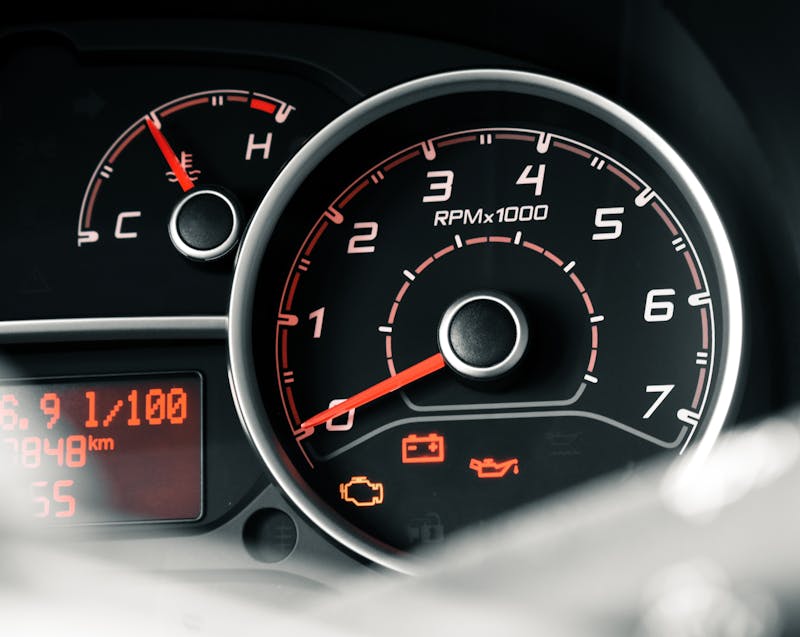
Even with regular maintenance, cars can develop problems over time. Recognizing warning signs early can prevent accidents and avoid expensive repairs.
Common Warning Signs
- Unusual Noises: Grinding, squealing, or knocking sounds often indicate mechanical issues.
- Warning Lights: Dashboard alerts like the check engine light should never be ignored.
- Leaking Fluids: Any fluid puddles under your car signal potential problems.
- Vibrations or Pulling: These could mean issues with tires, brakes, or alignment.
- Smoke or Burning Smells: Overheating or oil leaks can cause engine damage if left unchecked.
If you notice any of these symptoms, schedule a repair immediately to prevent further complications.
Extending the Life of Your Vehicle
A well-maintained car can easily surpass 200,000 miles. Consistent maintenance and smart driving habits play a major role in extending your car’s life.
Smart Habits for Longevity
- Drive Gently: Avoid hard acceleration and sudden stops.
- Warm Up the Engine: Especially important in cold weather.
- Stick to Service Schedules: Never skip recommended maintenance intervals.
- Use Quality Parts: OEM (Original Equipment Manufacturer) parts last longer and perform better.
- Keep It Clean: Regular washing and waxing prevent rust and preserve paint.
Taking small, consistent steps ensures your car remains dependable for years to come.
Saving Money on Vehicle Repairs
Car maintenance doesn’t have to drain your wallet. By following a few practical strategies, you can reduce costs without sacrificing quality or safety.
Money-Saving Tips
- Follow the Maintenance Schedule: Preventive care is cheaper than major repairs.
- Compare Estimates: Don’t settle for the first quote—shop around for fair pricing.
- Do Minor Tasks Yourself: Simple DIY jobs like changing filters or wiper blades save labor costs.
- Use Reliable Independent Mechanics: Dealerships aren’t always the most affordable option.
- Join Loyalty Programs: Some shops offer discounts for repeat customers.
Investing time in preventive maintenance always pays off in lower long-term expenses and better performance.
Future Trends in Car Maintenance
The automotive industry is evolving rapidly, and so is vehicle repair and maintenance. Modern cars are now equipped with advanced sensors, electric components, and smart diagnostics that make maintenance more efficient.
Emerging Trends to Watch
- Predictive Maintenance: AI and IoT systems detect problems before they occur.
- Electric Vehicle (EV) Maintenance: EVs have fewer moving parts but require specialized care.
- Mobile Mechanics: On-demand repair services offer convenience for busy car owners.
- Eco-Friendly Products: Sustainable oils and filters are becoming increasingly popular.
- Digital Service Records: Cloud-based tracking simplifies maintenance history and resale value.
Staying informed about these trends helps car owners adapt to the changing landscape of vehicle care.
Conclusion
Caring for your car isn’t just about keeping it looking good—it’s about ensuring safety, reliability, and value. By following regular maintenance schedules, monitoring fluids and tires, and seeking professional help when needed, you can avoid unexpected breakdowns and costly repairs.
Whether you’re performing simple DIY maintenance or scheduling a major service, proactive care keeps your vehicle in prime condition. Remember, preventive maintenance is the key to a smooth, efficient, and long-lasting car that serves you well year after year.