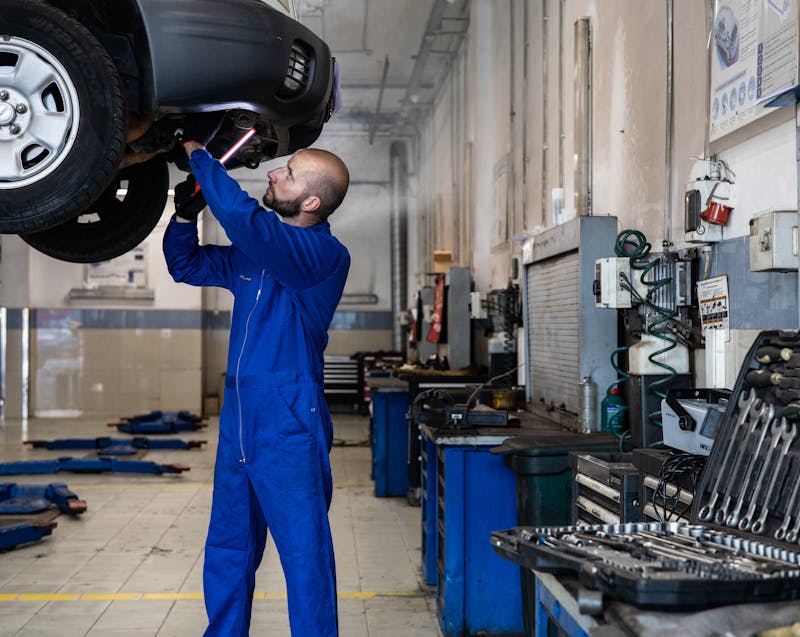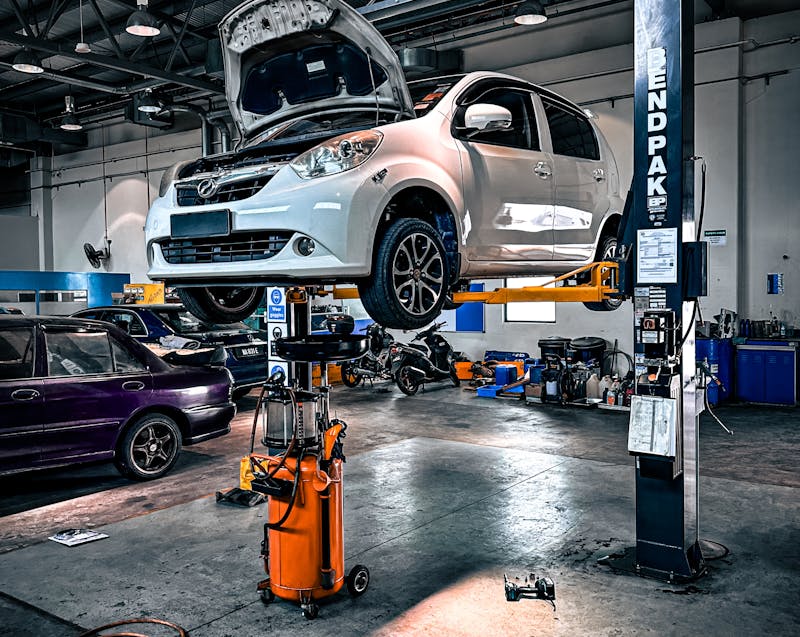
- Regular car servicing prevents costly breakdowns, enhances safety, and improves fuel efficiency.
- Most vehicles should be serviced every 6 months or 10,000 kilometers, depending on driving conditions.
- Following a vehicle preventive maintenance schedule ensures timely inspections, oil changes, and part replacements.
- Skipping maintenance can lead to expensive issues such as engine failure, brake wear, and reduced reliability.
- Keeping detailed service records and setting reminders help car owners stay consistent with maintenance.
- Partnering with a trusted mechanic ensures quality vehicle repair and maintenance over the long term.
Keeping your car in excellent condition isn’t just about convenience—it’s about safety, performance, and long-term savings. Many car owners overlook the importance of following a proper vehicle preventive maintenance schedule, which can lead to expensive repairs and premature wear and tear. Knowing how often to service your car can help you detect potential issues early, extend its lifespan, and maintain its resale value.
This guide will help you understand when to schedule maintenance, what services to prioritize, and how to stay consistent with your car care routine.
Why Regular Car Servicing Matters

Every car is built to perform efficiently and safely under specific conditions, but neglecting regular maintenance can change that quickly. Servicing your car ensures that every component—engine, brakes, tires, and fluids—functions as intended. Over time, dirt, friction, and heat cause parts to wear out, leading to reduced efficiency and increased fuel consumption.
Here’s why sticking to a regular maintenance schedule is crucial:
- Prevents costly breakdowns: Routine checks catch small issues before they escalate.
- Improves fuel efficiency: A well-tuned engine uses less fuel.
- Enhances safety: Properly maintained brakes, tires, and suspension reduce accident risks.
- Protects your warranty: Many warranties require timely servicing.
- Extends vehicle lifespan: Regular care keeps major systems running smoothly for years.
How Often Should You Service Your Car?
Service intervals can vary based on your vehicle type, driving habits, and the manufacturer’s recommendations. Typically, most vehicles need servicing every 6 months or 10,000 kilometers, whichever comes first. However, some modern vehicles equipped with advanced sensors may recommend longer intervals.
It’s essential to consult your car’s owner’s manual, as it provides a detailed schedule for inspections, oil changes, and part replacements. Still, here are general guidelines most car owners can follow:
- Oil and filter change: Every 5,000–10,000 km, depending on your oil type and driving conditions.
- Brake inspection: Every 10,000–15,000 km or sooner if you hear squealing or feel vibration.
- Tire rotation and alignment: Every 10,000 km to promote even wear.
- Battery check: Every 6 months, especially before extreme weather changes.
- Fluid top-ups: Check coolant, brake, and transmission fluids regularly.
If you frequently drive in heavy traffic, dusty environments, or extreme temperatures, your car may require more frequent servicing.
Understanding Your Vehicle Preventive Maintenance Schedule
Your vehicle’s preventive maintenance schedule serves as a roadmap for all the necessary checks, replacements, and tune-ups your car needs throughout its lifespan. It’s designed not only to prevent breakdowns but also to ensure your car runs at its optimal performance level.
A well-structured preventive maintenance plan typically includes:
- Daily or weekly checks: Tire pressure, oil levels, lights, and windshield wipers.
- Monthly inspections: Battery condition, coolant level, and brake fluid.
- Quarterly or semi-annual servicing: Oil and filter changes, tire rotation, and alignment.
- Annual maintenance: Brake pad replacement, air filter change, and in-depth inspections.
By sticking to this schedule, you’ll avoid the domino effect of neglect—where a small, easily fixed problem turns into a costly repair. It’s also a smart way to manage vehicle repair and maintenance expenses over time, as you can plan and budget ahead.
What Happens If You Skip Regular Maintenance?

Skipping regular servicing might save time or money in the short term, but the long-term consequences can be costly. Neglecting basic maintenance leads to faster wear and tear on vital components, decreased fuel economy, and reduced reliability.
Common problems caused by irregular servicing include:
- Engine overheating or failure due to low coolant or oil levels.
- Worn-out brake pads leading to longer stopping distances.
- Uneven tire wear and reduced traction.
- Diminished battery life and electrical issues.
In severe cases, ignoring maintenance can result in total engine failure—one of the most expensive repairs any car owner can face.
Tips to Stay Consistent with Car Maintenance
Even with a busy schedule, keeping up with your car’s maintenance doesn’t have to be difficult. Here are practical ways to stay consistent:
- Set reminders: Use your phone or car maintenance apps to track service dates.
- Keep records: Maintain a logbook or digital record of all maintenance activities.
- Use a trusted mechanic: Build a relationship with a reliable service center that understands your car’s history.
- Check before long trips: Always inspect fluid levels, tires, and brakes before traveling long distances.
- Follow seasonal checks: Different weather conditions require different maintenance tasks, like battery tests before winter or air conditioning service before summer.
Consistency is the key to ensuring your car stays dependable and safe for years.
Conclusion
Understanding and following your vehicle’s preventive maintenance schedule is one of the smartest investments you can make as a car owner. It keeps your vehicle efficient, prevents unexpected breakdowns, and ensures a smoother driving experience. By servicing your car regularly and addressing small issues early, you save money and gain peace of mind knowing your vehicle is always ready for the road.