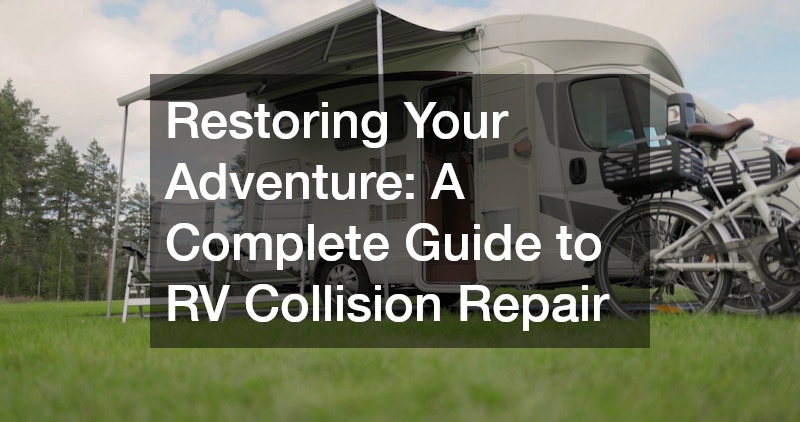
Recreational vehicles (RVs) are more than just vehicles; they are mobile homes, adventurous companions, and gateways to unforgettable experiences. However, like any vehicle, RVs are susceptible to accidents, dents, and other forms of damage. When an incident occurs, RV collision repair becomes essential to restore both safety and functionality. Understanding the process and options available can help owners navigate repairs efficiently while maintaining the integrity of their RV.
Assessing the Damage
The first step in RV collision repair is a thorough assessment of the damage. Unlike standard automobiles, RVs are larger and often include complex systems such as plumbing, electrical wiring, and living quarters.
A skilled technician will carefully inspect both the exterior and interior for visible and hidden damage. This includes checking for frame misalignment, panel dents, broken lights, and mechanical issues that may have resulted from the collision. Identifying all areas needing repair ensures that no critical issue is overlooked, keeping the RV safe for future travels.
Choosing the Right Repair Facility
Not all repair shops are equipped to handle the size and complexity of an RV. Selecting a facility specializing in RV collision repair is crucial. These shops have the tools, equipment, and expertise necessary to handle the unique challenges of RVs. From hydraulic lifts capable of supporting larger vehicles to specialized paint booths for extensive surface repairs, these facilities are prepared to restore your RV to its pre-accident condition. Additionally, technicians with experience in RVs understand the importance of preserving the vehicle’s structural integrity and the value of proper documentation throughout the repair process.
Structural Repairs
One of the most critical aspects of RV collision repair is addressing structural damage. The frame and chassis serve as the foundation of the vehicle, so even minor misalignments can affect handling, safety, and overall performance. Technicians use advanced equipment such as frame straightening machines and computerized measuring systems to ensure the RV’s structure is restored accurately. Proper alignment not only improves safety but also prevents long-term wear and tear that could compromise the vehicle over time.
Exterior Body Work
The exterior of an RV is often the most visible area affected by collisions. Body panels, bumpers, windows, and mirrors may require repair or replacement. Skilled technicians use specialized techniques to remove dents, smooth surfaces, and match original paint finishes. Modern RVs often feature unique paint patterns or decals, which must be replicated carefully to maintain aesthetic appeal. Quality exterior repairs not only improve appearance but also protect the vehicle from weather damage and corrosion.
Interior Repairs
Collisions can also impact the interior of an RV, particularly in cases of severe impact. Cabinets may become misaligned, appliances could be damaged, and flooring may be compromised. RV collision repair includes addressing these interior issues, ensuring that living spaces are safe and functional. Technicians may also inspect electrical systems and plumbing to detect any hidden damage, restoring the full comfort and usability of the RV.
Mechanical and Safety Systems
Beyond visible damage, a collision can affect critical mechanical and safety systems. Brakes, suspension, steering, and lighting systems must be thoroughly inspected and repaired if necessary. Modern RVs are equipped with complex electronics that control safety features such as backup cameras, tire pressure monitoring, and navigation aids. Properly repairing and testing these systems is a vital part of the RV collision repair process, ensuring both safety and compliance with regulations.
Preventative Maintenance and Inspection
After repairs are completed, many facilities offer a comprehensive inspection to verify that all systems function correctly. This can include testing brakes, lights, suspension, and structural integrity. Preventative maintenance recommendations may also be provided to help RV owners avoid future damage. Regular inspections and maintenance not only extend the life of the RV but also ensure that owners can continue their travels with peace of mind.
Choosing Quality Parts and Materials
The longevity of collision repairs depends heavily on the quality of replacement parts and materials. Reputable RV collision repair shops use OEM (original equipment manufacturer) or high-quality aftermarket parts to ensure compatibility and durability. This attention to quality helps maintain the RV’s performance, safety, and resale value.
RV collision repair is a specialized field that requires skill, precision, and experience. From structural repairs to interior restoration and mechanical system checks, each step is crucial for returning an RV to a safe and functional state. Choosing the right repair facility, using quality materials, and performing thorough inspections ensure that your RV is ready for the open road once again. Whether the damage is minor or extensive, timely and professional RV collision repair preserves the safety, comfort, and enjoyment of your mobile adventures.