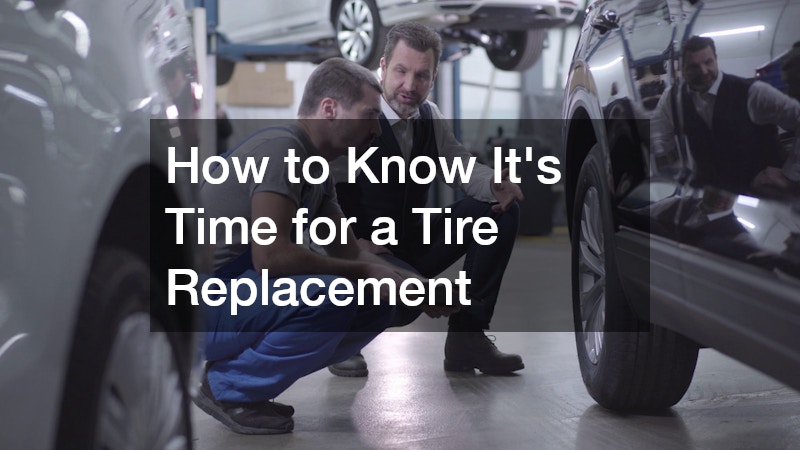
Your vehicle’s tires are the only point of contact between your car and the road. They play a critical role in braking, handling, fuel efficiency, and overall safety. Yet many drivers overlook early warning signs of wear until a problem becomes urgent—or dangerous. Knowing when it’s time for a tire replacement can help prevent breakdowns, reduce accident risks, and ensure a smoother driving experience.
Below are the most important indicators that your tires may need attention.
Check the Tread Depth
Tread depth is one of the clearest signs that your tires are wearing out. Tire treads are designed to channel water away from the tire surface, improving traction and reducing the risk of hydroplaning.
As the tread wears down, grip decreases—especially in wet or slippery conditions.
Some tires also include built-in wear indicators—small raised bars inside the tread grooves. When the tread reaches the level of these bars, replacement is necessary.
Watch for Uneven Wear Patterns
Not all tire wear is uniform. If you notice that one side of the tire is more worn than the other, or that bald patches are forming in specific areas, this could signal alignment issues, improper inflation, or suspension problems.
Uneven wear can compromise handling and shorten tire lifespan. In these cases, replacing the tire alone may not solve the root cause. It’s wise to have a professional inspect your alignment and suspension system before installing new tires to avoid repeated problems.
Regular tire rotations—typically every 5,000 to 7,500 miles—help promote even wear and extend tire life.
Pay Attention to Cracks and Bulges
Visible damage on the sidewalls should never be ignored. Cracks, cuts, or bulges in the rubber can indicate structural weakness. Bulges often result from internal damage caused by potholes, curbs, or road debris.
A sidewall bulge suggests that the tire’s internal cords have been compromised, increasing the risk of a blowout. Unlike tread wear, sidewall damage cannot be repaired safely. When you notice these warning signs, scheduling a tire replacement promptly is essential for your safety.
Notice Increased Vibration
While some vibration is normal when driving, excessive shaking or unusual vibrations may indicate tire problems. Out-of-balance tires, internal damage, or uneven wear can all cause noticeable changes in ride quality.
If your steering wheel vibrates at certain speeds or your vehicle feels unstable, have your tires inspected immediately. Ignoring these symptoms can lead to further mechanical damage and higher repair costs.
Consider the Age of Your Tires
Even if your tires appear to have sufficient tread, age alone can make them unsafe. Over time, rubber compounds break down due to exposure to heat, sunlight, and oxygen. This deterioration can weaken the tire’s structure.
Most manufacturers recommend replacing tires every six years, regardless of tread condition. You can determine a tire’s age by checking the DOT code on the sidewall. The last four digits indicate the week and year the tire was manufactured. If your tires are approaching or exceeding six years old, consult a professional to assess whether replacement is necessary.
Evaluate Performance in Wet or Slippery Conditions
Have you noticed reduced traction in rain or snow? If your car takes longer to stop or feels less stable during turns, worn tires may be the cause. As tread depth decreases, the tire’s ability to disperse water diminishes, increasing the likelihood of hydroplaning.
Drivers in regions with heavy rainfall or seasonal snow should be especially mindful of tread wear. Seasonal tires also require timely changes to ensure proper grip during temperature shifts. When performance noticeably declines, it’s often a sign that replacement should not be delayed.
Monitor Air Pressure and Frequent Leaks
Maintaining proper tire pressure is essential for safety and fuel efficiency. If you find yourself frequently refilling a specific tire, there may be a slow leak caused by a puncture, damaged valve stem, or deteriorating seal.
While some punctures can be safely repaired, repeated leaks or damage near the sidewall usually require a full tire replacement. Driving on underinflated tires increases heat buildup and raises the risk of sudden failure.
Regularly checking tire pressure—at least once a month—can help detect problems early and prolong tire life.
Don’t Ignore Warning Lights
Many modern vehicles are equipped with a Tire Pressure Monitoring System (TPMS). If your dashboard warning light turns on, it indicates that one or more tires are underinflated. While this does not always mean immediate replacement is necessary, it should prompt inspection.
Persistent warnings, even after inflation adjustments, may signal more serious issues that require professional evaluation.
Making Safety a Priority
Your tires are critical to vehicle control, braking performance, and overall driving safety. By routinely checking tread depth, inspecting for visible damage, monitoring performance changes, and considering tire age, you can identify problems before they escalate.
Delaying necessary maintenance can increase the risk of accidents and costly repairs. Recognizing the signs early ensures that when the time comes for a tire replacement, you can act confidently and maintain peace of mind on the road.